
Where the mountain ends inside the sea
The Apennines and the Alps meet here, and go down into the water without leaving any room in between.
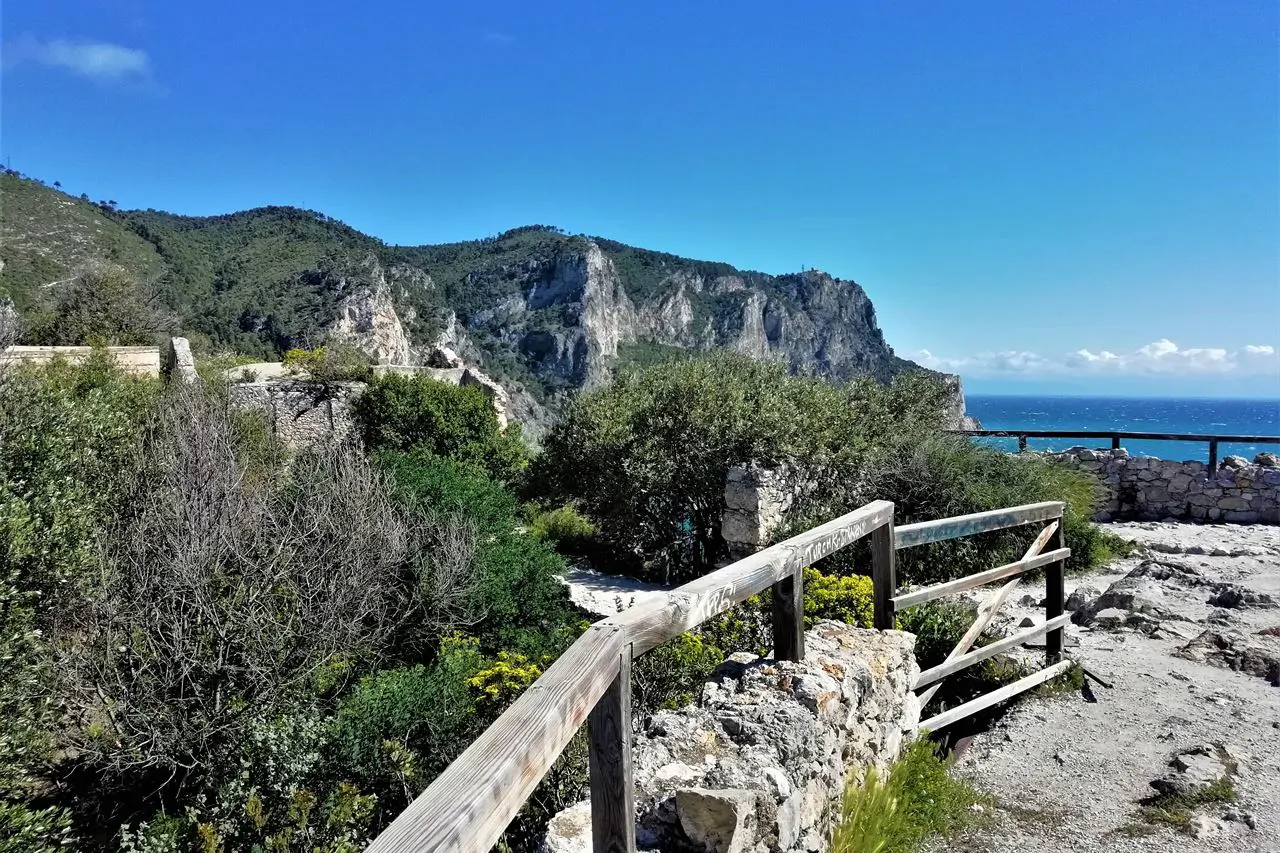
Liguria is the point where the Alps turn into the Apennines. The changeover happens at the Cadibona pass above Savona, and on both sides the ridge runs parallel to the coast a few kilometres inland: that is why Ligurian rivers are short and steep, and why the valleys are narrow and run at right angles to the sea.
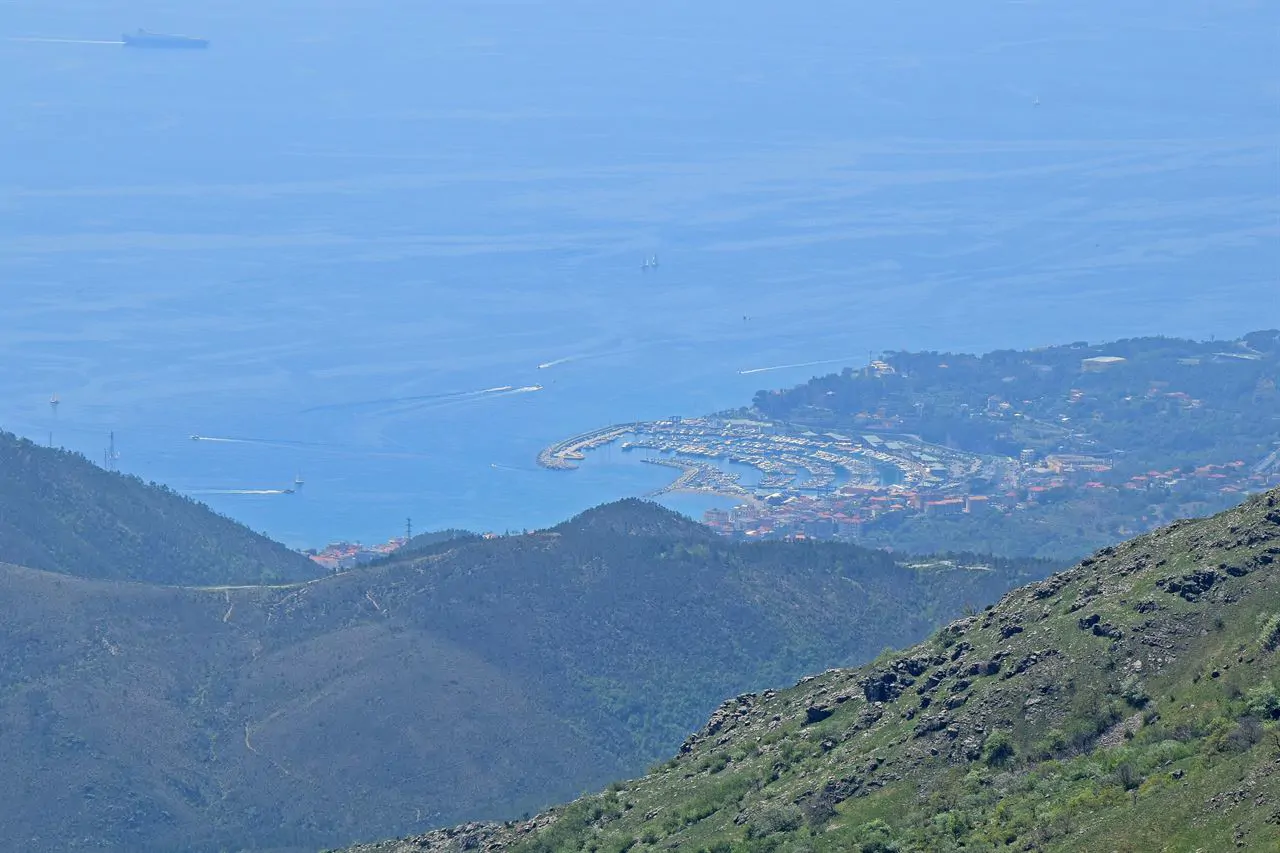
The terraces
On a slope like that you grow nothing, unless you flatten it a piece at a time. Ligurians did exactly that for a thousand years, building dry stone walls with no mortar, wedging the stones together: several thousand kilometres of them are reckoned to exist in the region. They hold up the olive groves of the west, the vineyards of the Cinque Terre and the lemon trees of the Gulf of Poets. Where nobody repairs them any more, they collapse.
The two rivieras
The west has the wider beaches and the mildest climate in Italy: at Bordighera and Sanremo palms and citrus grow outdoors, and winter rarely drops below ten degrees. The east is more vertical: cliffs, headlands, small inlets. Between the two lies Genoa, a port and a city of nine hundred thousand people stretched along twenty kilometres of coast.
The hinterland, which nobody looks at
Behind the coastal strip is an entire region emptying out: valleys with stone villages halfway up the slope, chestnut woods, and the parks of the Aveto, the Ligurian Alps and the Beigua. The Alta Via dei Monti Liguri runs the whole length of it in forty stages, from Ventimiglia to Ceparana, always within sight of the sea. In summer it is where you can breathe.